

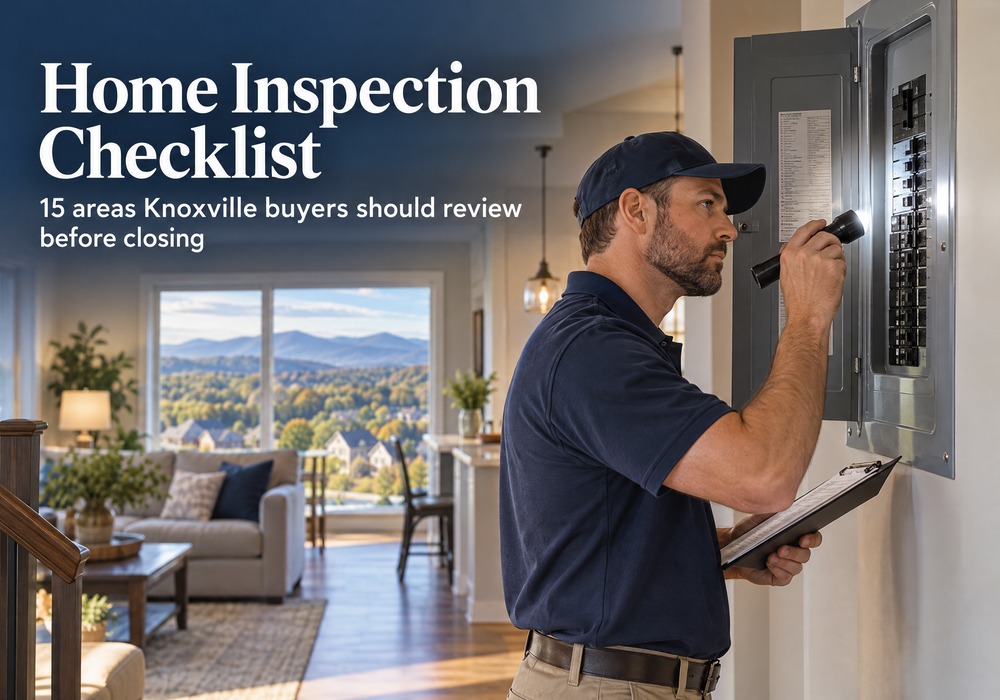
Finding a house you love is exciting, but the period between an accepted offer and closing is when buyers need to shift from emotion to careful evaluation. A professional home inspection can help you understand the condition of the property, identify areas that may need further evaluation, and make a more informed decision before you own the home. If you are buying a home in Knoxville, this step deserves your full attention.
A home inspection is not a guarantee that every future problem will be discovered. It is a visual evaluation of accessible systems and components at a specific point in time. Still, a thorough inspection can reveal issues that are easy to miss during a showing and can give buyers valuable information for planning, negotiation, and future maintenance.
At The Abbott Mary Team, we help buyers evaluate more than the photos and finishes. When you are comparing Knoxville property listings, understanding the condition of the home is just as important as understanding the price, neighborhood, and location. Here are 15 areas buyers should pay close attention to before closing.
1. Roof Condition and Remaining Life
The roof is one of the most expensive components of a home, so buyers should understand its general condition and approximate age. An inspector may look for missing or damaged shingles, visible wear, flashing concerns, signs of previous repairs, and evidence of leaks in accessible attic areas. Ask whether the roof appears to be near the end of its useful life and whether any conditions warrant evaluation by a roofing contractor. A roof does not need to be brand new to be acceptable, but buyers should know what they may be responsible for after closing.
2. Gutters, Grading, and Drainage
Water management matters in East Tennessee. Heavy rain, sloped lots, and changing elevations can create drainage problems when water is directed toward a foundation rather than away from it. Look at gutter condition, downspout placement, soil grading, standing water, erosion, and signs of moisture around lower levels of the home. Good drainage is not glamorous, but it can protect foundations, crawl spaces, landscaping, and retaining walls.
3. Crawl Spaces and Moisture
Many Knoxville-area homes have crawl spaces, and this is one area buyers should not ignore. Moisture, poor ventilation, plumbing leaks, damaged insulation, wood deterioration, standing water, and evidence of previous repairs can all affect the condition of the space. If the inspector identifies significant moisture or structural concerns, a specialist may be appropriate. Buyers should also ask whether a vapor barrier, drainage system, dehumidification, or encapsulation is present and how it has been maintained.
4. Foundation and Structural Signs
Small cracks do not automatically indicate a major structural problem, but buyers should pay attention to patterns. Inspectors may note significant foundation cracks, uneven floors, sticking doors, visible movement, damaged supports, or other conditions that deserve further evaluation. If a concern appears beyond the scope of a standard inspection, buyers may choose to consult a qualified structural professional before proceeding.
5. Heating and Cooling Systems
Knoxville experiences hot, humid summers and cool winters, so HVAC performance matters. Ask about the approximate age of the heating and cooling equipment, visible condition, maintenance history when available, and whether the system operated normally during the inspection. Older equipment is not necessarily defective, but it may affect your near-term maintenance budget. Buyers should understand what type of system serves the property and whether multiple units or zones are involved.
6. Electrical System
An inspector typically evaluates accessible electrical components such as the service panel, outlets, visible wiring, grounding, and safety devices. Older homes may have systems that have been modified over time, so buyers should pay attention to improperly completed work, overloaded panels, damaged wiring, missing protective devices, or other safety concerns. Significant issues may warrant evaluation by a licensed electrician.
7. Plumbing and Water Supply
Leaks that seem minor can become expensive if they continue unnoticed. Buyers should review accessible supply lines, drains, water heaters, fixtures, toilets, sinks, and visible plumbing connections. Ask about signs of active leakage, previous water damage, low pressure, slow drainage, corrosion, and the approximate age of the water heater. Properties outside more developed areas may also have wells or septic systems that require separate evaluation.
8. Sewer or Septic Considerations
Not every Knoxville-area property is connected to the same type of wastewater system. Depending on location, a home may use public sewer or a private septic system. A standard home inspection may not fully evaluate a septic system, so buyers should understand what serves the property and whether a separate inspection is appropriate. Maintenance history and system capacity can be important, especially for rural homes or properties with acreage.
9. Windows, Doors, and Exterior Openings
Windows and exterior doors affect comfort, water resistance, energy use, and security. Inspectors may identify failed seals, damaged frames, difficult operation, missing caulk, moisture intrusion, or deterioration around openings. Older windows are common in established neighborhoods and are not automatically a deal breaker, but buyers should understand whether replacement or repair could become a future expense.
10. Attic Ventilation and Insulation
The attic can reveal a great deal about a home. Inspectors may evaluate visible insulation, ventilation, roof framing, moisture staining, bathroom exhaust routing, and evidence of previous leaks. Adequate insulation and ventilation can affect comfort and energy efficiency, while moisture or improper exhaust can contribute to larger problems over time.
11. Signs of Wood-Destroying Insects
Termites and other wood-destroying organisms can cause damage that is difficult for an untrained buyer to identify. Depending on the property and transaction, a separate termite or wood-destroying-insect inspection may be recommended or required. Pay attention to evidence of prior treatment, visible damage, moisture conditions, and any recommendations for further evaluation.
12. Decks, Porches, and Retaining Walls
Outdoor features can add significant value and enjoyment, but they also require maintenance. Inspectors may evaluate accessible deck framing, railings, stairs, attachment points, porches, and visible retaining walls. On sloped East Tennessee properties, retaining walls and drainage deserve special attention because movement or water pressure can create expensive repairs.
13. Appliances and Built-In Systems
When appliances are included with the sale, buyers should understand which items the inspector tested and what that testing does and does not cover. Built-in ovens, dishwashers, disposals, garage-door openers, fireplaces, and other systems may be checked for basic operation. An appliance working on inspection day does not guarantee its remaining lifespan, so age and condition still matter.
14. Evidence of DIY Work or Unfinished Projects
Many homes have been improved by previous owners. Some projects are completed professionally, while others may raise questions. Look for inconsistent finishes, unusual wiring, plumbing modifications, unfinished spaces, additions, converted rooms, or work that appears different from the rest of the property. Your agent can help you identify questions to ask about permits, documentation, disclosures, and the history of improvements when appropriate.
15. The Difference Between Maintenance and a Major Defect
One of the most important parts of reading an inspection report is separating routine maintenance from significant concerns. Every home needs maintenance. A long inspection report does not automatically mean the property is in poor condition. Focus on safety, structure, moisture, major systems, expensive repairs, and items that materially affect your decision. Cosmetic issues and normal wear belong in a different category from a failing roof, active leak, or major electrical concern.
What Should You Do After the Inspection?
After the inspection, review the report carefully with your real estate agent. Do not focus only on the number of items listed. Focus on severity, cost, safety, and how the findings affect your overall comfort with the property.
Depending on the contract, findings, and circumstances, buyers may consider requesting repairs, requesting credits or other concessions, obtaining additional specialist evaluations, accepting certain items as part of homeownership, or using available contractual rights when a concern is significant. Your options depend on the specific agreement and transaction, which is why professional guidance matters.
Local Context Matters
A home in an established Knoxville neighborhood may present different inspection considerations than newer construction in Farragut, a foothills property in Maryville, or a waterfront home near Lenoir City. Age, terrain, water exposure, construction type, utilities, and maintenance history all change what deserves attention.
That is why the inspection should be considered alongside the property type and location rather than treated as a generic checklist.
Do Not Skip Due Diligence Because You Love the House
It is natural to become emotionally attached to a home once your offer is accepted. That is exactly when disciplined due diligence becomes most important. The goal of an inspection is not to make you afraid of the property. The goal is to help you understand what you are buying.
A good home can have maintenance needs. An older home can be a great purchase. A newer home can still have defects. What matters is understanding the condition, asking the right questions, and deciding whether the property still fits your goals after you have more information.
Work With Knoxville Real Estate Agents Who Help You Look at the Full Picture
The home inspection is only one part of a successful purchase. Pricing, neighborhood fit, financing, appraisal, title work, insurance, contract deadlines, and negotiation all matter too. The Knoxville real estate agents at The Abbott Mary Team help buyers coordinate these moving pieces and stay focused on the larger decision.
If you are beginning your search, browse homes for sale in Knoxville or learn more about our buyer representation process. If you already have a property in mind and want experienced local guidance, contact The Abbott Mary Team to start the conversation.
Ready to work with us?
Ready to buy with more confidence? Talk with The Abbott Mary Team about your Knoxville home search and let our team help you navigate the process from property search through closing.
Check out this article next